Adventurussia
Home Russia travel guide
On the road
The complete guide to traveling in Russia in 2026
Fifteen chapters to prepare a trip to Russia without unpleasant surprises: when to go, which visa your passport needs, how to pay, which trains to take, what to pack. Written in Moscow, from the questions our travelers really ask us.
· 12 min read · by the Adventurussia team
Are you planning a trip to Russia in 2026? This page brings together everything you need to know before you leave. It was written by the Adventurussia team, based in Moscow, from our experience on the ground and above all from the questions our travelers ask us: the ones that come up every week, and that no printed guidebook really answers.
The aim is not to sell you anything. It is to give you a clear, honest picture, whether you travel with us or organize your trip yourself.
1. Should you travel to Russia in 2026? Our view
Russia remains one of the richest destinations in Europe for history, architecture and landscapes: the Kremlin and Red Square, the Hermitage and the palaces of Saint Petersburg, the Golden Ring, the nine thousand kilometers of the Trans-Siberian, and the purest water in the world at Lake Baikal.
What has changed is how you get there and travel around: no direct flights from the US, the UK, Canada, Australia, Ireland or New Zealand (you connect via Istanbul, Dubai, Belgrade or Yerevan), no foreign bank card that works, and a language almost nobody speaks outside the hotels. There is also an honest point to make: the governments of the US, the UK, Canada, Australia and New Zealand currently advise their citizens against travel to Russia. Read that advice before deciding, and check what it means for your insurance. None of this is insurmountable, but all of it needs preparing.
That is exactly why a tailor-made trip with a private English-speaking guide makes sense: it takes care of the connection, the money, the transfers and the language in one go, on your dates and at your pace.
What to see first: the highlights by region
You cannot see everything in one trip. Here, city by city, is what we show our travelers first.
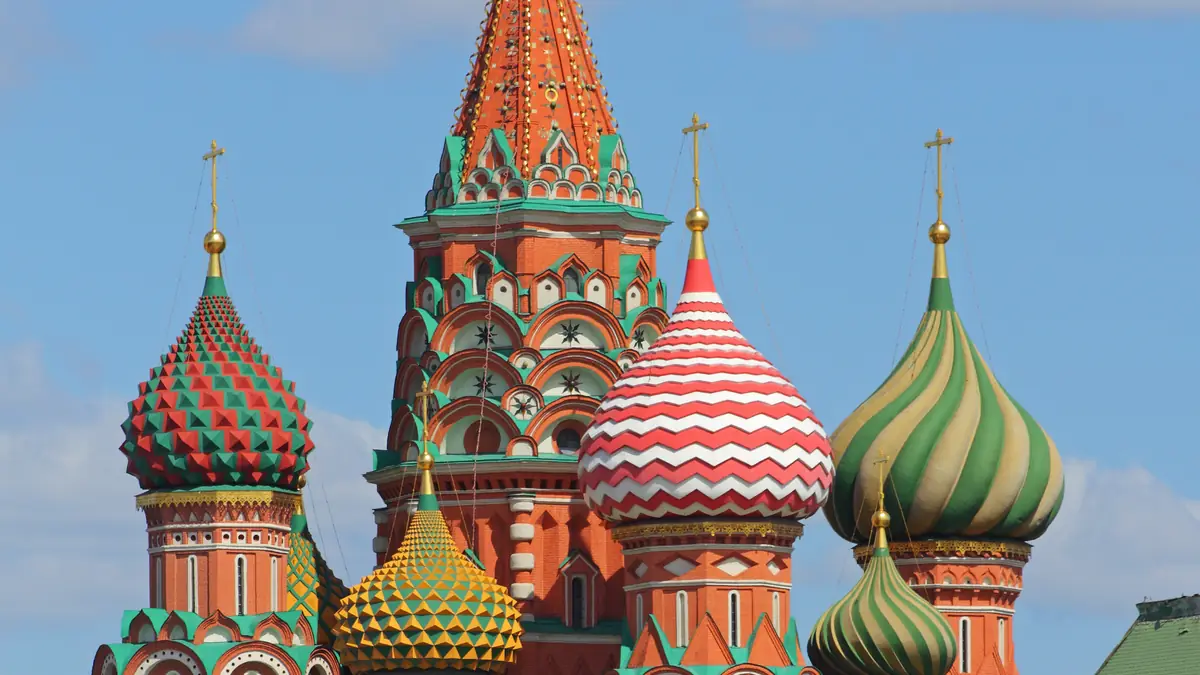
- Moscow: the Kremlin and Red Square, the Tretyakov Gallery and its collections of Russian painting, VDNKh park and its Soviet architecture. More on our Moscow page.
- Saint Petersburg: the Hermitage, the imperial palaces and the canals of the historic center. More on our Saint Petersburg page.
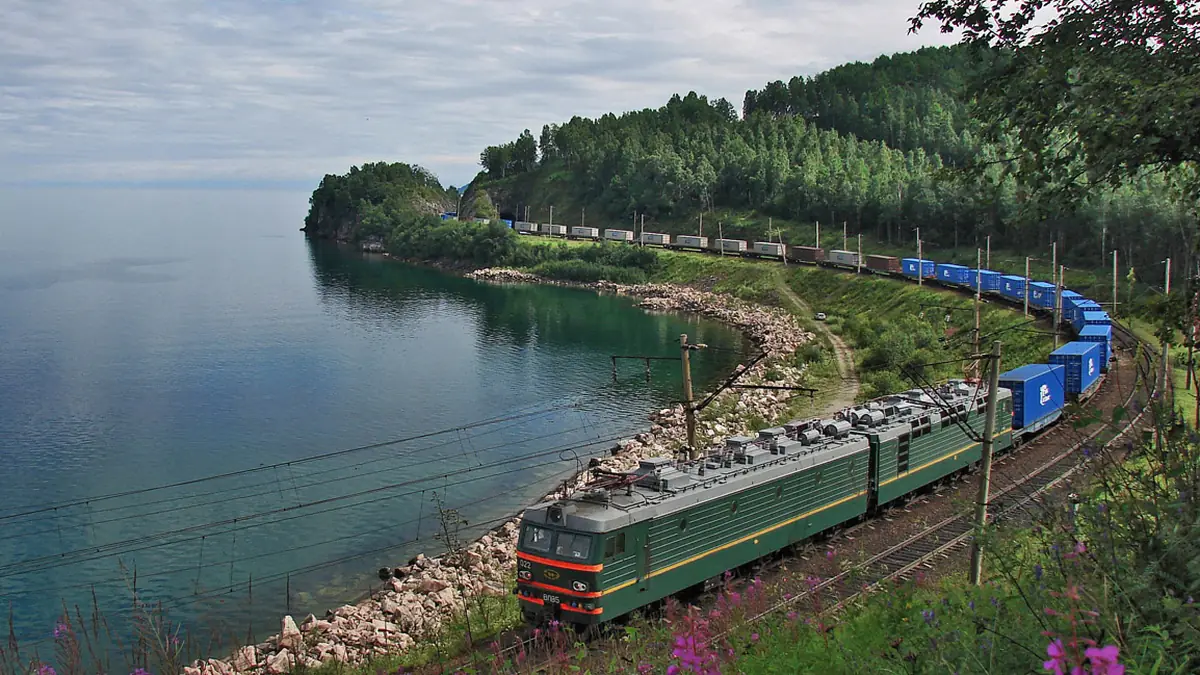
- Lake Baikal: the purest water in the world, best seen in summer. More on our Lake Baikal page.
For something less common, Kazan blends Russian and Tatar influences around its white kremlin, and Vladivostok, at the other end of the country on the Pacific, is mostly reached by domestic flight.
2. The best time to go to Russia
| Period | The good | The less good |
|---|---|---|
| May – early June | Mild temperatures, very long days, few crowds | A few museums still under winter renovation |
| June – August | The season for Lake Baikal and southern Russia; white nights in Saint Petersburg | Lines at the big museums, and the highest prices |
| September | Our favorite month: golden light, gardens still in bloom, shorter lines | The evenings cool down quickly |
| October – April | Moscow and Saint Petersburg under snow, low prices, empty museums | Real cold, and short days |
That September window is the best balance between light, temperature and crowds, and it is when we like to build a Moscow and Saint Petersburg trip tailor-made for you. Winter has its own magic too: snow-covered cities and festive lights, on a program written around your dates.
3. Formalities and visa
Which visa you need depends on your passport. Irish citizens are eligible for Russia's unified e-visa: an online application, no invitation, a decision within four calendar days, and up to thirty days in the country. US, UK, Canadian, Australian and New Zealand citizens are not on the e-visa list and need a regular tourist visa from a Russian embassy, consulate or visa center, with a tourist invitation.
We have devoted a whole page to the question, with a table by nationality: which Russian visa you need in 2026, with documents, timing, costs and the five mistakes that get an application refused. When you travel with us, our English-speaking team prepares the application with you.
4. Safety
In Moscow and Saint Petersburg, daily life goes on: museums, theaters, restaurants and hotels are open. Petty crime is lower than in most major European capitals.
- Read your government's travel advice before booking (the US State Department, the UK Foreign Office, Global Affairs Canada, Smartraveller in Australia, SafeTravel in New Zealand, the Department of Foreign Affairs in Ireland). Several currently advise against all travel to Russia.
- Take out travel insurance with hospital and repatriation cover that explicitly includes Russia. It is required for the visa anyway, and a standard policy may not cover you when you travel against your government's advice.
- Keep a digital copy of your passport, your visa and your insurance.
- Avoid photographing official buildings, military sites and certain signposted metro stations.
We live there: if we judged an itinerary unwise, we would not sell it.
5. Budget and cost of living
Your budget depends entirely on how you organize the trip. An all-inclusive program makes spending predictable; a trip you put together yourself often costs more once every item is added up, not to mention the time spent.
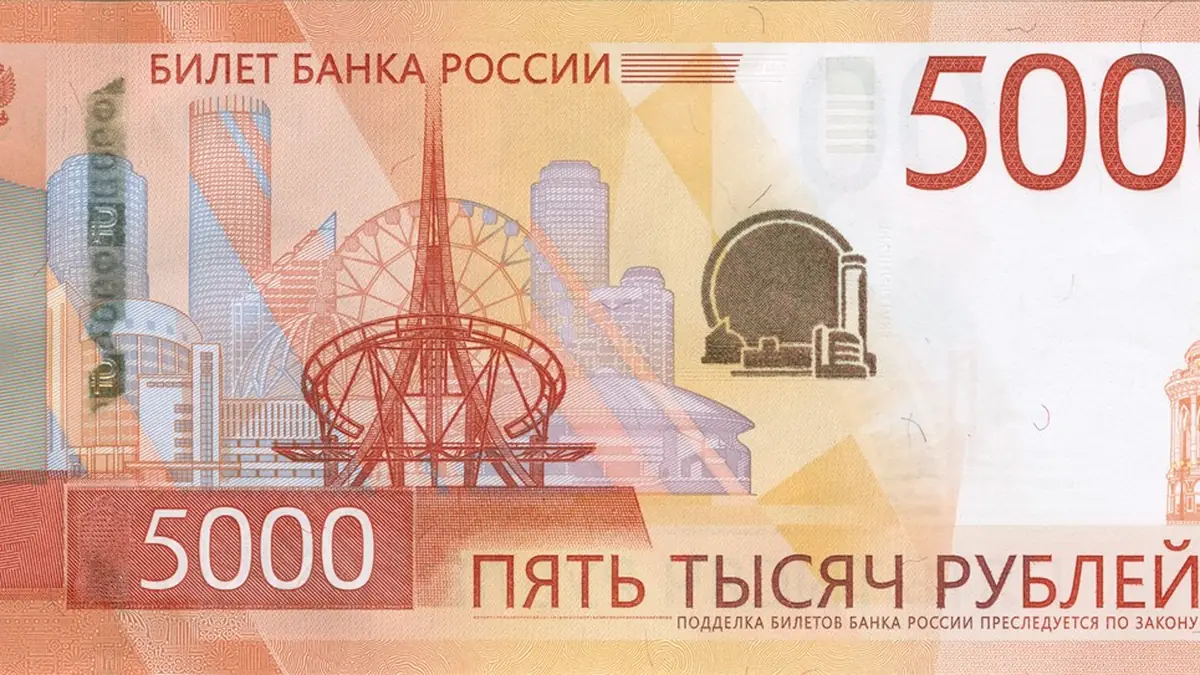
We have set out the real price ranges, item by item, in our budget for a trip to Russia in 2026: allow €25 to €50 of daily spending on an organized trip, against €175 to €500 a day traveling independently.
6. Money, bank cards and exchange
This is the point that worries people most, and it comes down to one sentence: Visa and Mastercard cards issued outside Russia have not worked there since 2022. That applies to cards from the US, the UK, Canada, Australia, Ireland and New Zealand alike: not at ATMs, not in stores, not online.
- Bring cash, euros or US dollars, to exchange locally for rubles. Exchange offices are plentiful in the big cities and the rates are fair.
- Exchange small amounts at a time rather than everything at once: the rate varies from one office to the next.
- Contactless payment by phone (SBP, Mir Pay) exists, but requires a Russian bank account.
- Always keep small change: small shops and street taxis do not always have any.
The real purchasing power of your money is covered in our budget page. For a long stay, the page on money and banking in Russia, step by step (in French) explains what still works and what no longer does, and we can go with you to the bank to open an account and get a local card.
7. Language and communication
Russian is the official language, and the Cyrillic alphabet is puzzling at first. English is spoken in international hotels and the big museums, very little elsewhere, and almost never in government offices, train stations or taxis.
Learning to read the alphabet takes a couple of hours and changes everything: many of the words on shop signs are borrowed from English or French. For the rest, Yandex Translate works offline and handles Russian much better than its competitors.
What an English-speaking guide changes
It is not a luxury. It is what lets you understand what you are looking at, order something other than what is in the photo, and not lose a morning at a ticket counter. All our tailor-made trips can include a private English-speaking guide with you every day.
8. Getting around Russia
- The Sapsan train links Moscow and Saint Petersburg in just under four hours. It is the best way, by far.
- The Moscow metro is fast, clean, very cheap, and some stations are worth a visit in themselves.
- Taxis: only through an app (Yandex Go). The price is shown before the ride and there is nothing to negotiate.
- Domestic flights are essential for Lake Baikal, Vladivostok or the south: Russia spans eleven time zones.
- Night trains remain the most beautiful way to cross the country: four classes, and a ticket at around thirty euros a night.
We go into the rail options in detail in Trans-Siberian prices and tickets, and on our Trans-Siberian page.
9. Where to stay
The big cities offer the full range, from hostel dorms to historic five-star hotels. A well-located three-star in the center beats a four-star on the outskirts: in Moscow, an hour's commute morning and evening eats up a day of sightseeing.
On an organized trip, location is the first selection criterion, ahead of the number of stars.
In Moscow as in Saint Petersburg, allow €90 to €350 a night for a well-located 3- or 4-star hotel; the difference comes mostly from location and season, with clearly higher rates in June to August and lower ones in winter. Our detailed budget for a trip to Russia in 2026 covers this item along with the others, for organized and independent trips alike.
10. Food and drink
Russian cuisine is far more varied than its reputation: borscht, pelmeni, solyanka, syrniki, and a tradition of canteens (stolovaya) where you can have a very good lunch for five euros.
Tap water is not recommended for drinking, especially in Saint Petersburg: choose bottled water, which costs very little.
11. Health and travel insurance
No vaccine is required to enter Russia. Medical insurance valid in Russia, on the other hand, is required for the visa: check the hospital cover limits and the repatriation clause, the only two lines that really matter, and make sure the policy covers Russia despite any government advice against travel.
Pharmacies are everywhere and well stocked, but brand names differ: bring your usual medication with its prescription.
12. What to pack
- Clothes you can layer: the continental climate can swing from fifteen to thirty degrees Celsius in the same summer week, and indoors is overheated in winter.
- Good walking shoes: you walk a lot, and Moscow distances are deceptive on a map.
- A plug adapter: outlets are type C/F at 220 V, so travelers from the US, Canada, the UK, Ireland, Australia and New Zealand all need one.
- Copies of your passport, visa and insurance, on paper and on your phone.
- Enough cash, split between two different places.
13. Electricity, internet and phone
The power supply is 220 V with European type C/F outlets: bring an adapter, and check that your chargers accept 220 V (most phone and laptop chargers do). Wi-Fi is free and everywhere: hotels, cafés, stations, shopping malls, and even the Moscow metro.
For mobile data, get a roaming plan before you leave or an eSIM, and check with your provider that it works in Russia. A Russian SIM card requires a registered passport and a local number: it can be done, but it is rarely worth it for ten days.
14. Customs and etiquette
- You take off your shoes when entering someone's home. Always. You will be offered slippers.
- Politeness is formal: people do not smile at strangers in the street, which is not unfriendly. A smile is earned, and then it means a lot.
- In the metro and public places, you give up your seat to older people; not doing so gets noticed.
- A small gift when you are invited: flowers in an odd number, never even, since even numbers are for funerals.
- Photographing official buildings and some infrastructure is restricted.
15. Useful apps and numbers
- Yandex Go: taxis, with the price shown in advance
- Yandex Maps: the local equivalent of Google Maps, far more up to date for Russia
- Yandex Translate: the best translator for Russian, and it works offline
- 2GIS: for the real opening hours of shops and businesses
- Single emergency number: 112, to note down before you leave
Download them and create the accounts before you leave: some SMS verifications do not go through well from a foreign number once you are there.
Frequently asked questions
Is it easy to travel to Russia from the US, the UK, Canada, Australia, Ireland or New Zealand?
It takes preparation. Irish citizens can use the online e-visa; US, UK, Canadian, Australian and New Zealand citizens need a regular tourist visa from a Russian consulate. Flights involve a connection (Istanbul, Dubai, Belgrade, Yerevan), and foreign bank cards do not work, so you need cash. Your government's travel advice and your insurance also need checking before you book.
Do I need to speak Russian to travel in Russia?
Not if you travel with a private English-speaking guide. On your own, being able to read the Cyrillic alphabet and having Yandex Translate on your phone become really useful.
Do foreign bank cards work in Russia?
No. Visa and Mastercard cards issued outside Russia have not worked there since 2022, neither at ATMs nor in stores. You need to bring cash to exchange locally. For a long stay, a Russian bank account is still possible: opening a bank account in Russia (in French) is done in person, and we can go with you.
What is the best time to visit Moscow and Saint Petersburg?
May to September for mild weather and light, with a preference for September: the gardens are still in bloom and the lines at the big museums have shrunk. Winter is magnificent but demanding.
What is the most relaxed way to travel?
A tailor-made trip with a private English-speaking guide and driver: it takes care of the language, transfers, tickets and paperwork in one go, at your pace and on your dates. We compare the different ways to travel in a dedicated article.
How many days do I need for a first trip to Russia?
Eight to ten days between Moscow and Saint Petersburg is the best balance for a first visit. With more time, you can add a region: Lake Baikal, the Golden Ring or the south.